
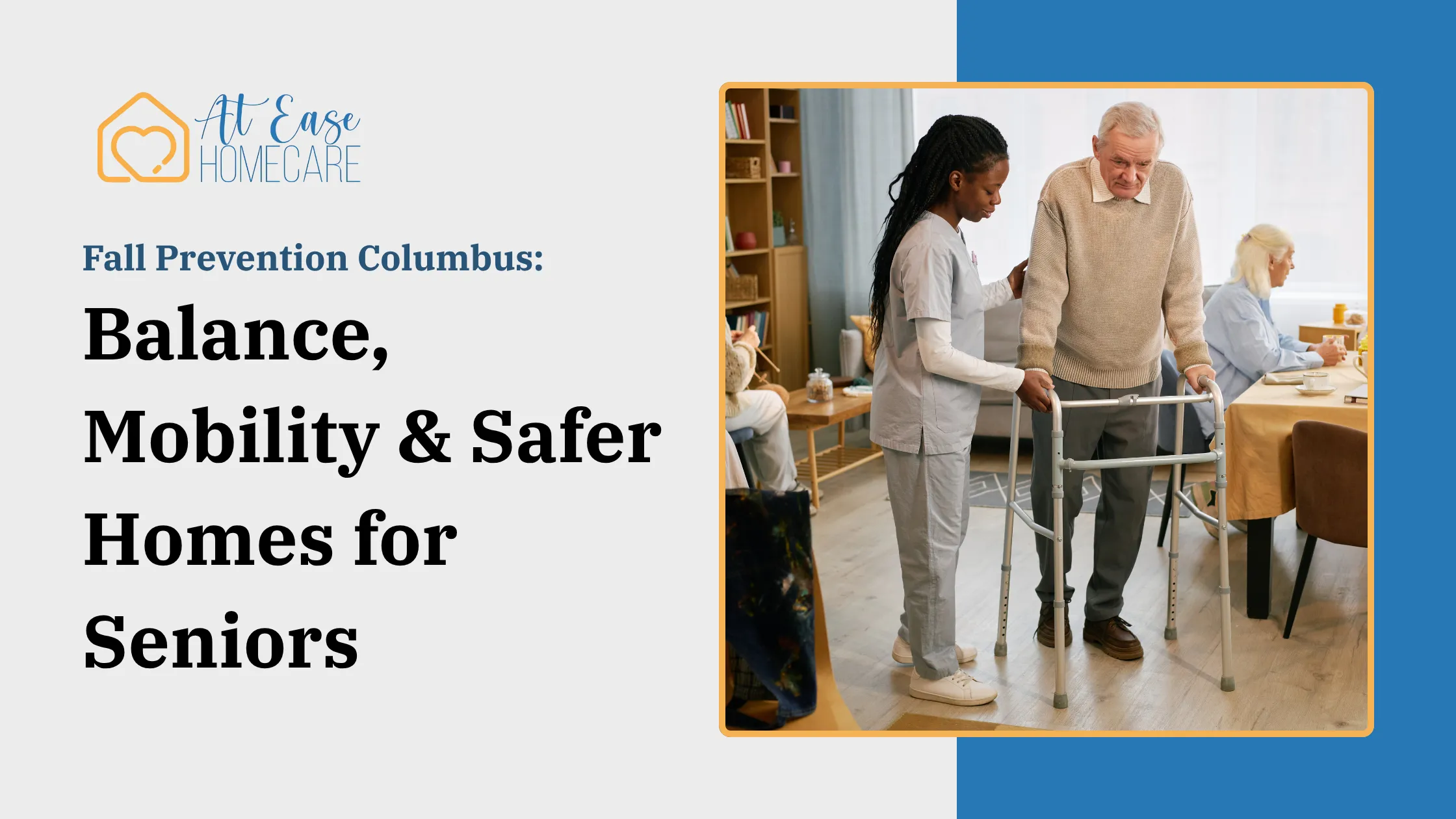
A safer home begins with small, thoughtful changes that protect everyday movement. Families across Columbus are focusing on balance, mobility, and home setup to reduce avoidable risks.
This guide walks through practical ways to make daily life safer while keeping seniors comfortable in their own space.
How Everyday Movement Shapes Fall Risk at Home
A simple walk across the room can feel different as strength and coordination change over time. Small shifts in balance often go unnoticed until they lead to a close call. Looking closely at daily movement helps families spot early warning signs and respond before a fall happens.
Posture control: Maintaining an upright posture supports steady walking and reduces the risk of sudden imbalance.
Step awareness: Short or uneven steps can increase the risk of tripping on common surfaces like carpets or tiles.
Turning movements: Quick turns often lead to loss of balance, especially in tight spaces like hallways.
Why Balance and Mobility Work Together in Fall Prevention
Balance alone does not prevent falls unless it is supported by safe movement. Mobility connects strength, coordination, and confidence in every step. When both are addressed together, seniors in Columbus experience smoother and safer daily routines.
Muscle strength: Strong legs and core muscles support better stability during walking or standing.
Coordination: Smooth body movement helps avoid sudden missteps or awkward shifts in weight.
Reaction time: Quick responses reduce the chance of falling when encountering obstacles.
Hidden Risk Zones Inside the Home You Should Notice
Many fall risks are part of everyday surroundings and often overlooked. These areas become more dangerous when combined with reduced mobility. Recognizing these zones early allows families to make targeted improvements.
Bathroom floors: Wet surfaces increase the risk of slipping during bathing or grooming routines.
Bedroom transitions: Moving from bed to standing position can lead to dizziness or imbalance.
Entryways: Shoes, mats, and uneven flooring near doors often create tripping hazards.
Kitchen pathways: Frequent movement in tight spaces increases chances of missteps.
Practical Steps to Build a Safer Living Space
Improving safety does not require a complete home renovation. A few focused adjustments can make a noticeable difference in daily comfort and security. These steps create a strong foundation for long-term fall prevention.
Lighting improvements: Bright and evenly distributed lighting helps seniors see obstacles clearly at all times.
Support installations: Grab bars and handrails provide steady support in high-risk areas like bathrooms and stairs.
Floor safety: Non-slip mats and secured rugs reduce the chance of slipping during movement.
Professional mobility help: Services like mobility & transfer assistance help seniors move safely between positions, such as bed to chair or standing to walking. This support ensures correct movement techniques and reduces strain during daily transitions.
When Daily Routines Start Feeling Unsteady
Changes in routine often reveal the first signs of fall risk. Tasks that were once simple may begin to feel physically demanding.
Recognizing these early changes allows families to act before safety becomes a concern.
Difficulty standing up: Struggling to rise from a chair or bed indicates reduced lower-body strength.
Slower walking pace: A noticeable slowdown may signal balance or confidence issues.
Avoiding certain tasks: Skipping activities like bathing or cooking can point to a fear of falling.
Choosing Between Independent Adjustments and Care Support
Some families rely on home changes, while others introduce caregiving support for added safety. Both approaches serve different needs. Combining them often creates the most reliable solution.
Home-only approach: Suitable for seniors with mild mobility concerns who can still manage independently.
Caregiver assistance: Provides supervision and hands-on help during movement and daily routines.
Blended solution: Combines environmental changes with caregiving for better overall safety.
Cost Considerations for Fall Prevention in Columbus
Planning ahead helps families balance safety needs with available resources. Costs vary depending on the level of support required. Understanding these factors makes decision-making easier.
Home modifications: One-time investments, such as grab bars or lighting upgrades, improve safety in the long term.
Ongoing care support: Services like personal hygiene care assist with daily routines where slips are more likely, such as bathing and grooming. This type of care adds safety while maintaining dignity and comfort.
Care duration: More hours of care provide greater supervision but increase overall costs.
Equipment That Supports Safer Movement Every Day
Simple tools can reduce risk when used correctly and consistently. These additions support both independence and safety. Choosing the right equipment depends on individual mobility needs.
Walking aids: Devices such as canes or walkers provide support for balance during movement.
Bed support rails: Assist with safe entry and exit from bed without sudden imbalance.
Anti-slip flooring: Reduces slipping risks in bathrooms and kitchens.
Transfer aids: Help caregivers guide movement safely without causing strain.
Common Oversights That Lead to Preventable Falls
Even with good intentions, certain decisions can unintentionally increase risk. Recognizing these patterns helps families stay on track. Avoiding these oversights creates a safer daily environment.
Waiting too long: Delaying support often leads to avoidable incidents.
Ignoring small signs: Minor balance issues can develop into serious risks over time.
Relying only on tools: Equipment helps, but supervision and guidance are equally important.
Daily Habits That Strengthen Stability and Confidence
Consistent routines help improve strength and reduce hesitation during movement. Small daily efforts build long-term stability. These habits connect directly to safer living at home.
Gentle exercises: Regular stretching and movement improve flexibility and coordination.
Structured routines: Consistent schedules reduce confusion and sudden movements.
Guided support: Caregiver supervision ensures activities are done safely and correctly.
Local Fall Prevention Support Across Columbus, OH
Access to reliable care services makes a noticeable difference in maintaining safety at home. Families in Columbus benefit from locally available support tailored to real needs.
Exploring care options helps match services with daily routines. Review available coverage through the service areas page to understand where care is provided across Columbus and nearby communities. This helps families plan services based on location and accessibility.
Stay connected with updates and caregiving tips through the At Ease Home Care Facebook page. It provides helpful insights and local support information for families navigating home care decisions.
Frequently Asked Questions About Fall Prevention in Columbus
Clear answers often guide better decisions when planning care. These common questions address concerns families regularly face.
What is the best way to reduce fall risk at home?
Combining home adjustments with professional support creates the safest environment. Services like companion care provide supervision during daily activities, helping seniors move confidently and safely.
When should fall prevention support begin?
Early signs, such as balance issues or hesitation during movement, indicate it is time to act. Short-term help through respite care can provide relief while improving safety at home.
Do mobility issues significantly increase fall risk?
Yes, reduced mobility directly impacts stability and coordination. Support through live-in care ensures consistent assistance and supervision throughout the day and night.
How does dementia affect fall prevention?
Cognitive conditions can reduce awareness of surroundings and increase confusion. Structured support through dementia care helps maintain safe routines and reduces risks inside the home.
Build a Safer Daily Routine with At Ease Home Care
Creating a safer home is not about major changes; it is about consistent support and thoughtful adjustments. With the right balance of mobility support and home safety, seniors in Columbus can continue living comfortably.
📍 Address: 200 E Campus View Blvd, Suite 200, Columbus, OH 43235
📞 Call: (614) 680-1212
📧 Email: info@easehc.com
🌐 Explore:At Ease Home Care works closely with families to provide care that fits real routines and evolving needs.